

Passing a family language to a child in an English-speaking environment can feel much bigger than teaching a second set of words. Russian does not always carry a thought or feeling in exactly the same shape as English. Some phrases sound warmer, sharper, funnier or more natural to me in Russian, and I want Zina to experience those meanings directly - not only as English thoughts wearing Russian labels.
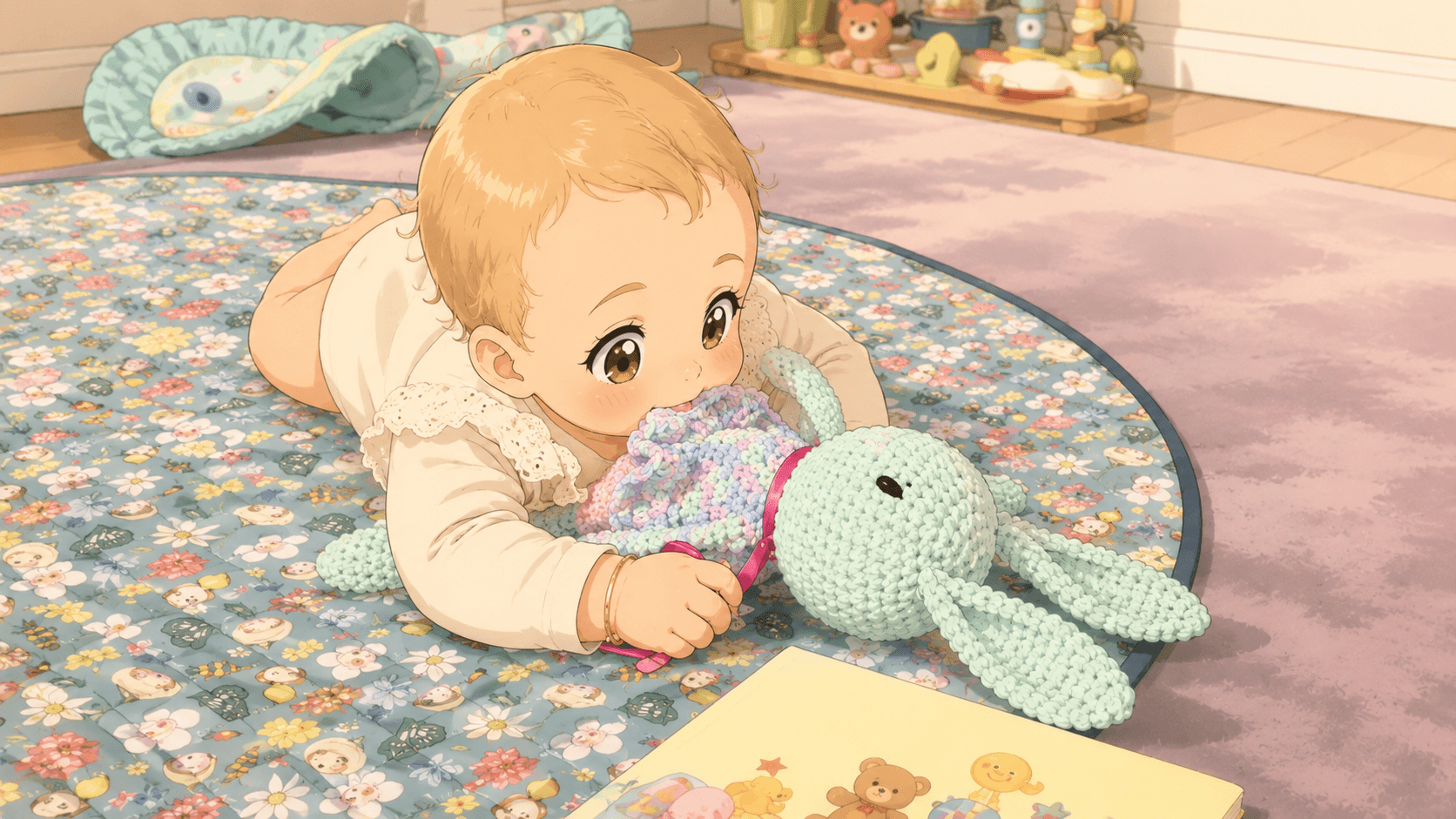
That wish becomes complicated when only one parent speaks the language confidently. Like many couples, my partner and I built much of our life together in the language we shared most easily: English. Then Zina arrived, and suddenly Russian was no longer something I could use only when relatives called. It had to find a place in breakfast, play, bath time, comfort and books - often with an audience of one very small person.
At first I thought bilingual storytime should be perfectly fair: read the entire book in English, then translate the entire book into Russian. This sounds admirable until the child has already received the ending, the cuddle and the emotional reward. Asking a tired toddler to sit through the director's cut in another language can produce a review consisting mainly of, 'No. Other book.'
We stopped reading every page twice
What works better for us is allowing the languages to stand beside each other without making every sentence compete for a duplicate. Mumma may read the story in English one night. I may read it in Russian the next. Sometimes I translate one repeated line, name the animals in Russian or use Russian for the page Zina loves most, while the rest of the story continues in English.
This gives each language room to keep its own rhythm and sentence structure. Zina does the clever work of connecting the two versions herself. She can see that the fox, the moon and the joke remain part of the same story even when the words arrive differently. I do not need to stop the book and explain the relationship between every phrase. The pictures, the plot and our shared attention already provide much of that bridge.
What has worked in our home
We follow a few principles rather than a strict system:
- Protect the rhythm of bedtime. A language activity should not stand between a tired child and sleep.
- Use the same translation for repeated lines so recognition can grow over time.
- Translate the part the child cares about, not necessarily the part the adult planned.
- Point, gesture and act out the meaning instead of explaining every word in English.
- Accept responses in either language. The exchange matters more than producing the expected answer.
- Finish while the story still feels warm. One good page is better than ten resentful ones.
The child can hold both versions
I used to worry that mixing languages in one reading might confuse Zina. What I see instead is that she is very capable of keeping track of who says what, which phrase belongs to which moment and how the same idea can be expressed in another way. The languages do not need to be identical to be connected.
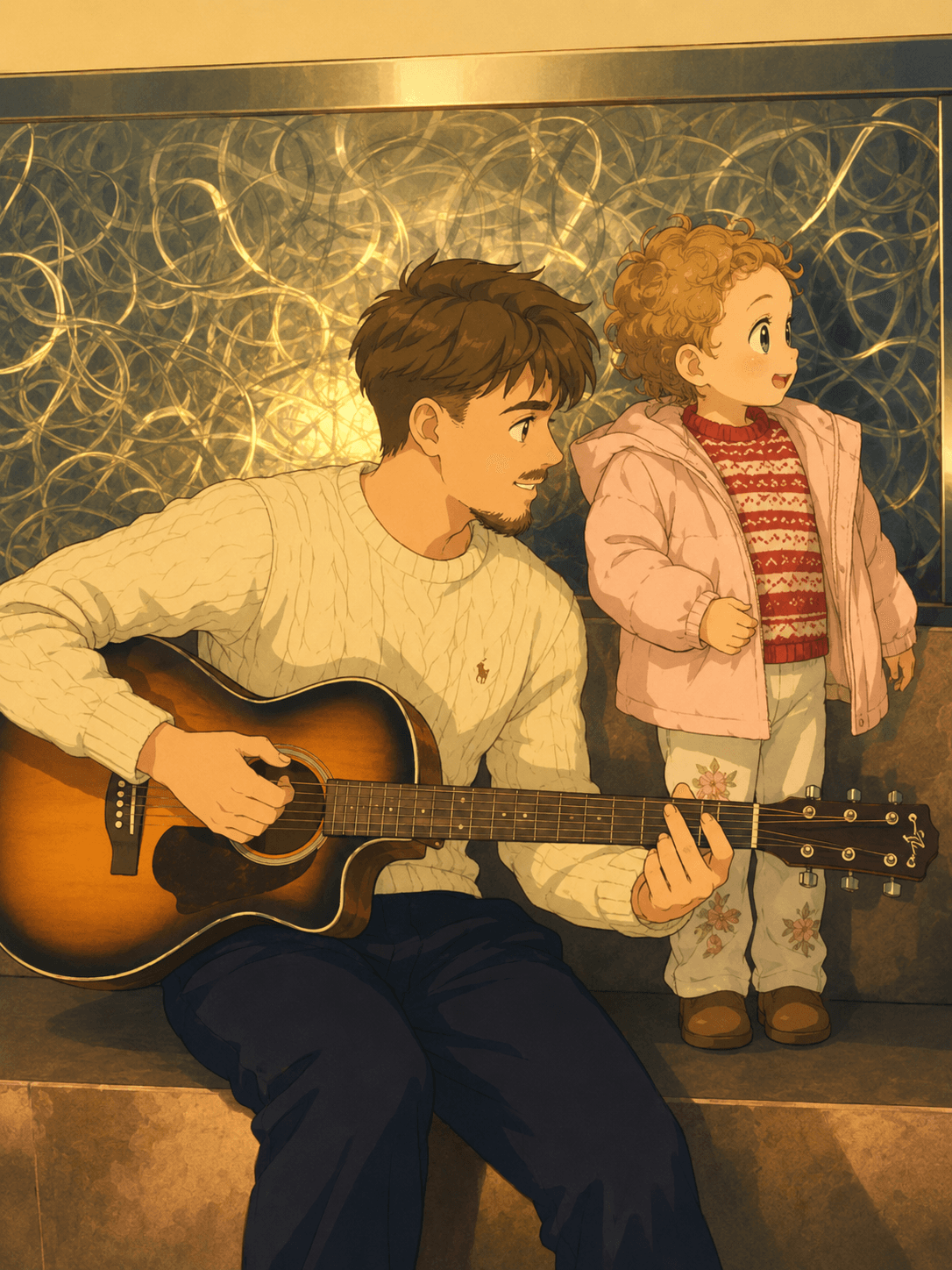
A small bilingual moment can be Pappa saying the Russian word for moon while Zina points upward, or a familiar refrain appearing in Russian after she has heard it many times in English. These moments may look too small to count, but they attach the family language to comfort, humour and closeness. That is exactly where I want it to live.
Bring another language into storytime
Read a familiar book in your family language.
LinguaLayers creates printable translated reading labels for books you own or have permission to adapt—so you can keep the pictures, characters and page turns your child already loves.
Try four pages free