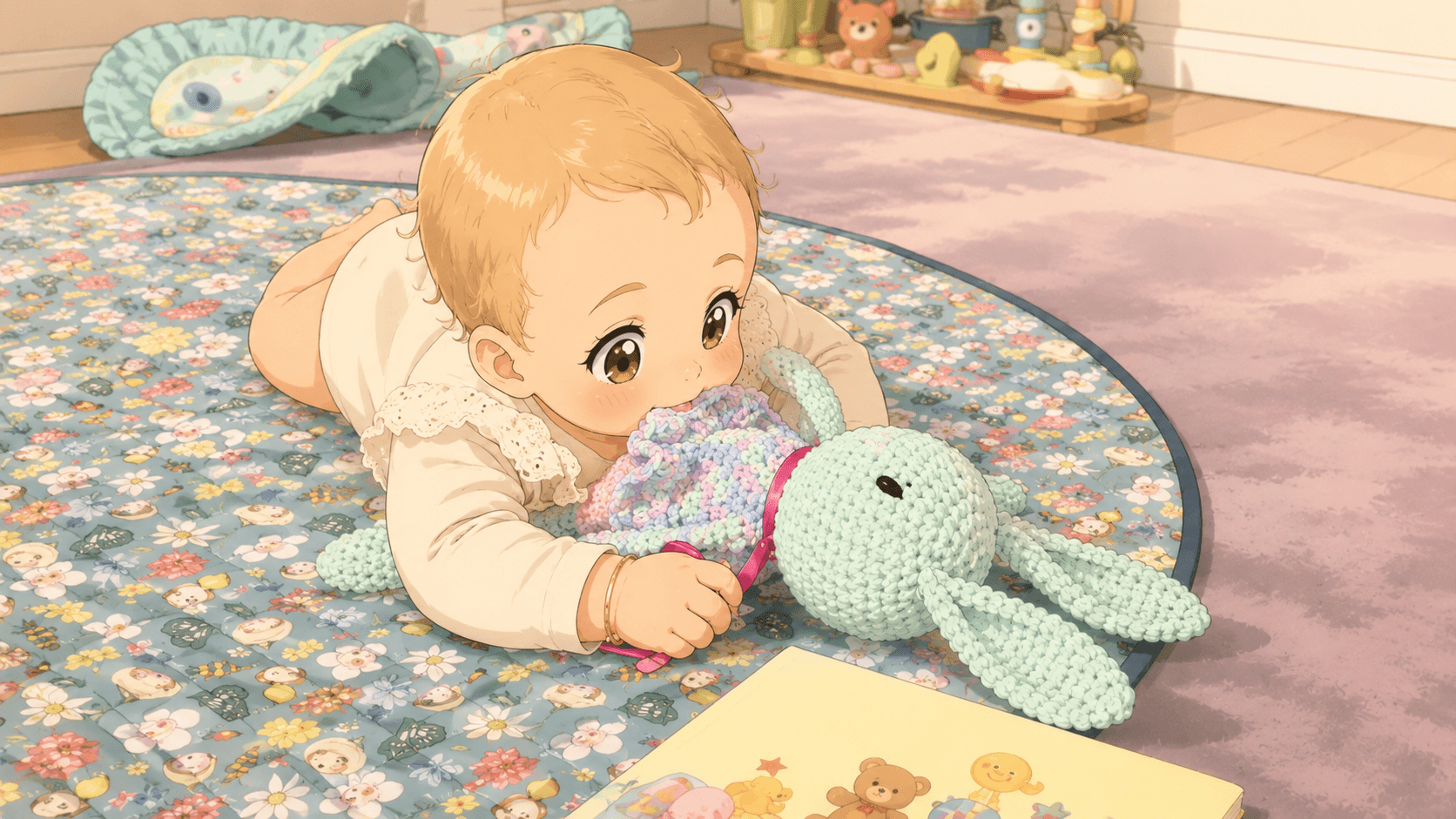

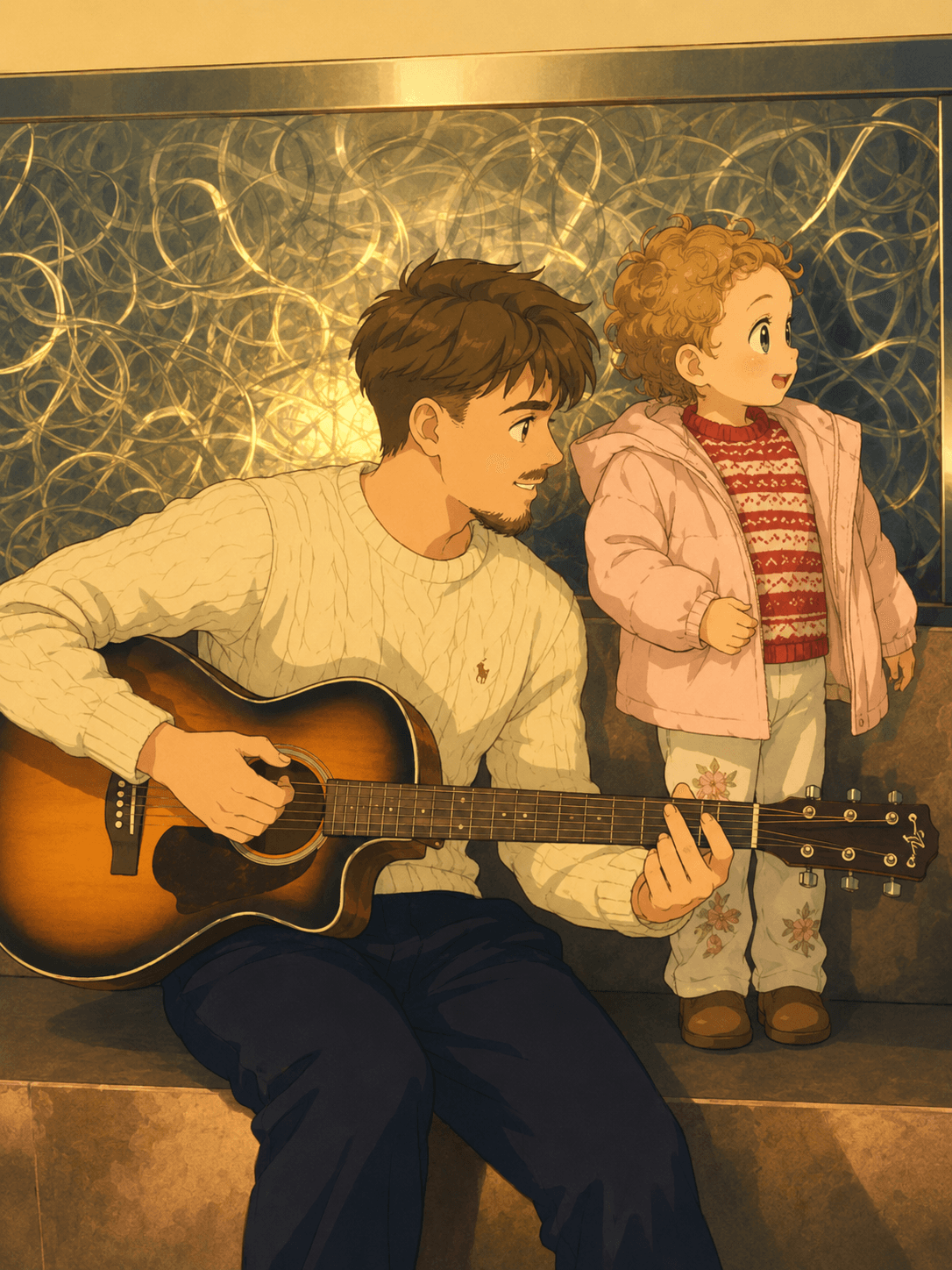
Some of the most important words in a child's life are not complicated. They are the words that arrive at the same tender moments every day: come here, one more cuddle, it is time for bed, I love you, good night.
Russian is the language I want Zina to carry as part of her relationship with me and with our family. I cannot decide how much she will choose to speak when she is older. I can decide that the language will have a place in the part of childhood she may feel long before she remembers it clearly.
Bedtime gives ordinary phrases unusual strength. When the same words are spoken beside the same bed, under the same blanket and in the same loving voice, they become more than vocabulary. They become part of what home sounds like.
The phrases we return to
We do not need a long script. A few phrases are enough, and we add to them slowly:
- Спокойной ночи, Зина. - Good night, Zina.
- Пора спать. - It is time to sleep.
- Давай почитаем. - Let us read.
- Закрывай глазки. - Close your little eyes.
- Сладких снов. - Sweet dreams.
- Я тебя люблю. - I love you.
Meaning comes from the moment
Zina does not need an English explanation every time I say, 'Пора спать.' The dim lights, the yawn, the book and Pappa moving very slowly toward the bedroom all provide the translation. Routines repeat the meaning with the same objects and emotional tone, so understanding can arrive before the child can translate or repeat the sentence.
The best phrases are often private family phrases rather than textbook examples. A nickname, a joke about the toy coming to bed or a special way of asking for one last kiss may never appear in a lesson, but it can become the language the child associates most strongly with you.
The added language helps the whole family
The language layers we add to familiar books are not only for Zina. They also help my partner follow the Russian version, read a line with confidence and connect what she is learning in her own classes to a real family moment. The book becomes a small meeting place between different levels of language.
This matters because translation is not always a neat exchange of identical ideas. A sentence can be technically correct and still sound as if it has arrived at bedtime wearing office clothes. Humour, affection, rhythm and repeated lines may need a different shape in Russian. Reading together makes those differences visible and gives us a reason to talk about them rather than pretending every phrase has one perfect equivalent.
Use the language you can sustain
Five warm phrases used every night are more useful than fifty phrases that make the parent anxious and disappear after three days. Where pronunciation matters, a fluent relative or trusted recording can help. Perfection is not the only thing a child hears. She also hears who is speaking, when the words arrive and how those words make her feel.
The same principle applies in any family language. The wording will differ, but the emotional work is the same: give the language a reliable place in the routines that already hold love.
Bring another language into storytime
Read a familiar book in your family language.
LinguaLayers creates printable translated reading labels for books you own or have permission to adapt—so you can keep the pictures, characters and page turns your child already loves.
Try four pages free